

Opposite George Week
If you're a fan of the comedy series, “Seinfeld”, then you'll probably understand the analogy I'm about to make.
On the third Friday of every month, options expire. This is a short-term market inefficiency that can have profound short-term implications on the direction of stock prices. From my first email, you'll recall that money flows from 401(k) plans and pension funds tend to send prices higher in the middle part of the month, similar to the beginning of the month. Portfolio and hedge fund managers, aware of the upcoming inflows, tend to buy ahead of this new money pouring in. This combination typically sends U.S. equity prices higher from the 11th of a calendar month through the 18th of that month. Below are the annualized returns of each day on the S&P 500 since 1950 to illustrate:
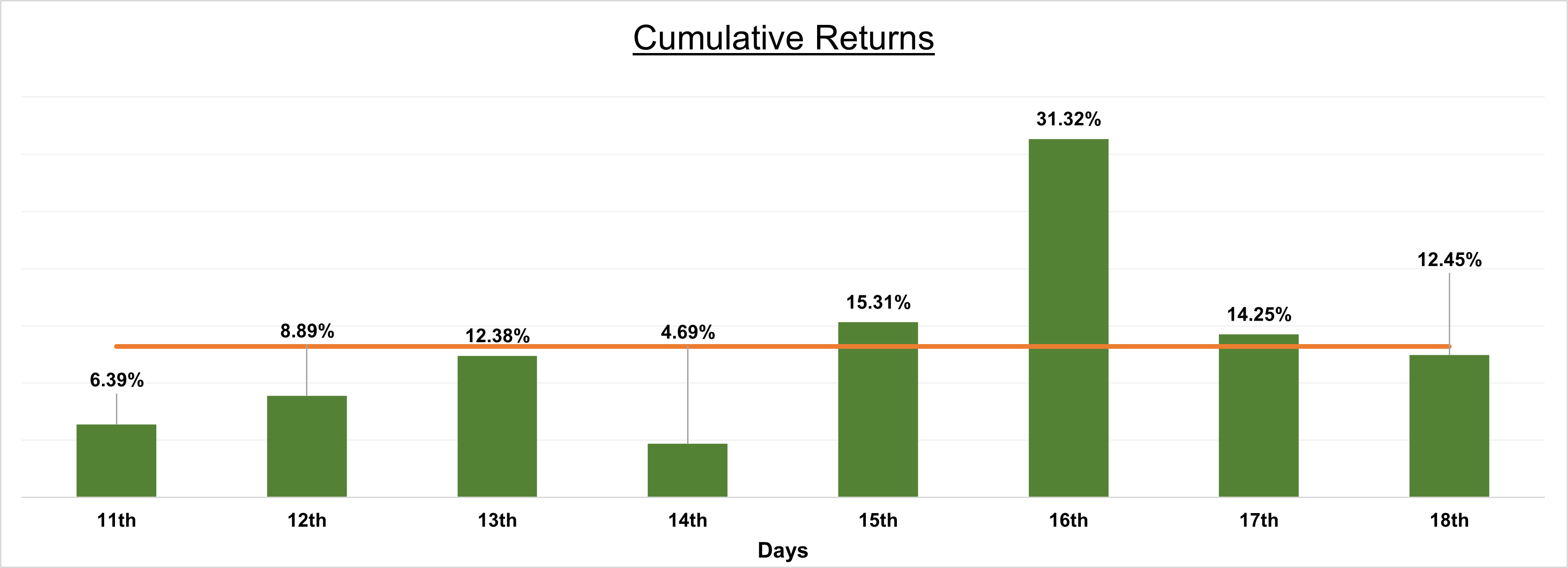
This tendency for rising prices, especially from the 15th through the 18th, can result in major short-term implications as monthly options will expire anywhere from the 15th of a month through the 21st of the month (always the 3rd Friday). When prices are rising, options traders tend to grow very bullish, which results in an imbalance of calls being bought vs. puts. Because market makers are on the other side of these trades and have a financial interest in seeing prices reverse, that's exactly what they normally do. They reverse. Check out the annualized returns for the next week:
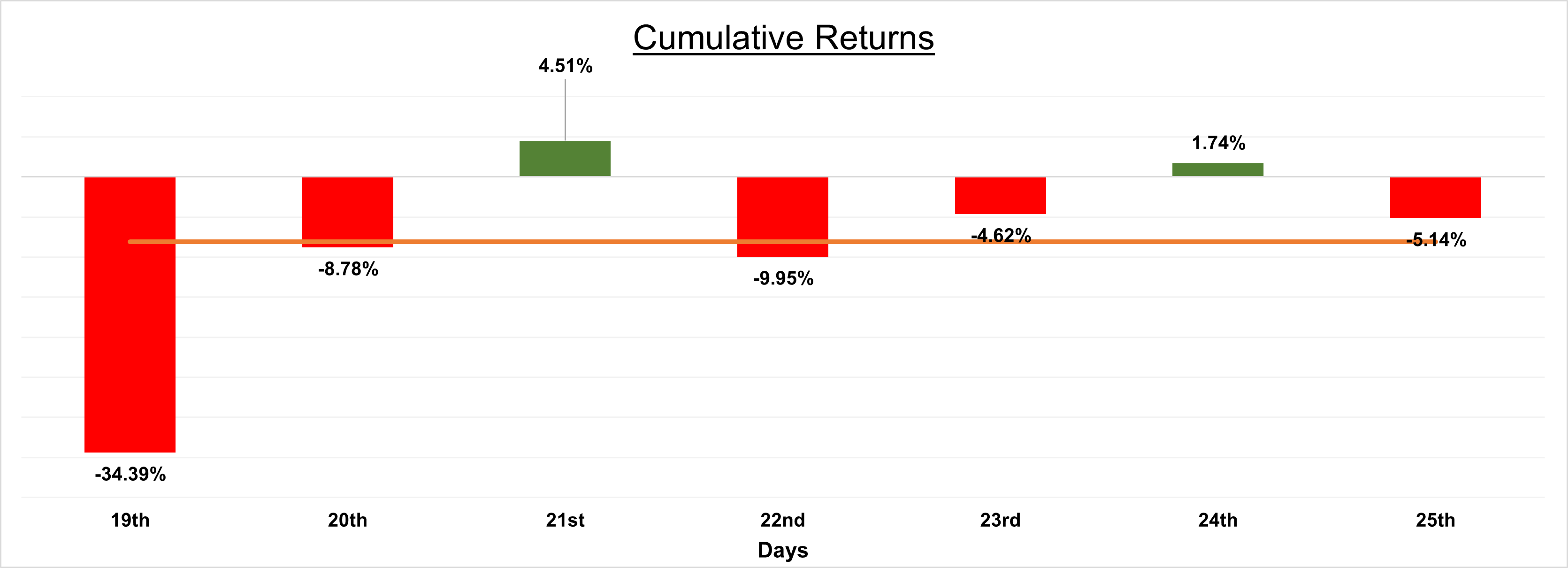
Remember, the above returns are based on 72 years (!!!) worth of data. The stock market has a HUGE tendency to do the OPPOSITE of whatever it's doing heading into options expiration week and that can help traders immensely…….IF they understand the “max pain” concept.